
All in the Family: The disabled in activist Black American families
by
and Tamari Kitossa
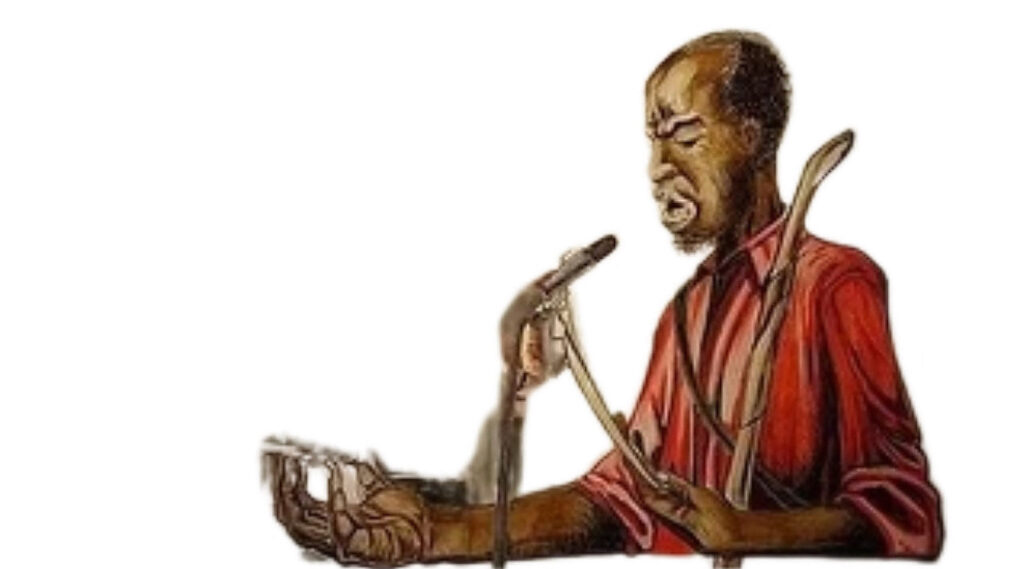
What happens when well-known Black activists and prominent individuals become disabled or have a history of disability in their families? Unfortunately, there are cases where they remain hidden. When Harry Belafonte became disabled Leroy reached out, but no reply. The same no-response from rapper Foxy Brown when she
went Deaf.
There is a long list of well-known Black people artists and activists who either became disabled, or, they had family members with a history of disabilities. Teddy Pendergrass became a paraplegic from a car accident and Curtis Mayfield was paralyzed from the neck down from a stage injury. Ida B. Wells had a brother who was disabled. Malcolm X had a learning disability; his mother was institutionalized due to a mental breakdown; his little brother had back problems and was also institutionalized due to a mental breakdown; his daughter’s led difficult lives living with the burden of their father’s assassination; his grandson Malcolm lived a short life marred by intergenerational trauma; and sadly, Betty, who was killed in a fire started by Malcolm Jr, too, lived a life of intense emotional pain from the murder of her husband.
Well-known Black figures from Prince, Jesse Jackson, to Muhammad Ali many other Black political, cultural and historical figures did not openly embrace their new-found identity as people with disabilities and publicly advocate for Black and other people with disabilities. Maybe they did privately. But this is not the same as doing it publicly. Important exceptions to this rule were Curtis Mayfield and Teddy Pendergrass, both of whom stood firm on their racial and social politics and had Black disabled mentors to guide them into their new-found identity as a disabled Black men. Johnny Wilder from Heatwave was their disabled mentor. He himself became
disabled and returned to composing and performing, and, lived proudly as a Black disabled man, father and husband.
There needs to be more activism and mentorship in Black communities across the African Diaspora when it comes to disabilities. This will breakdown the well-known practice that sees us keep certain things at home behind closed doors. This out of date “keep it in the family” is sending the wrong message to young Black disabled and able-bodied people, as well as other disabled and abled-bodied people in general. We need to be embracing of the disabled, come to terms with, welcome and develop new ways to experience the fact that disabilities are foundational to the arts, culture, history, politics and life-ways of Black America.
To signal the way toward a new scholarly approach to Blackness, masculinities and disabilities, we co-authored “A Krip-Hop Theory of Disabled Black Men: Challenging the disabling of Black America, resisting killing and erasure through the arts and self-empowerment”. This chapter can be found in Tamari’s edited book, Appealing Because He Is Appalling: Black masculinities, colonialism and erotic racism (University of Alberta, 2021).